








Municipal Asset Management
Turn asset inventory, incident reporting, dispatch, closure, and record updates into a city operations loop: assets are findable, issues are solvable, records stay current.
Applicable roles: Patrol inspector / Maintenance crew / Asset manager / City O&M lead / Regulator & audit



Pain point 1 (More stable) | Multi-team collaboration breaks standards: duplicated reports and inconsistent records
Outsourced teams and multiple crews often record in different formats. Without standard templates, the field gets busier and messier.
Workflow 1 | Standardized capture and unified data criteria (Inspect + Manage)
What: Use unified templates for assets/incidents and consistent archiving rules
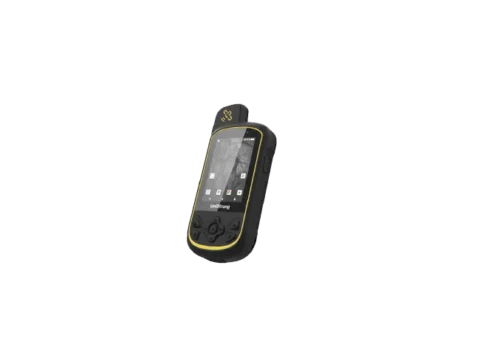
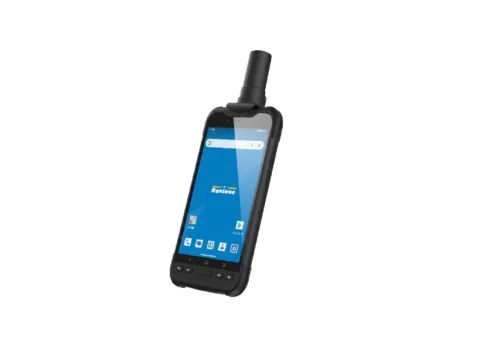
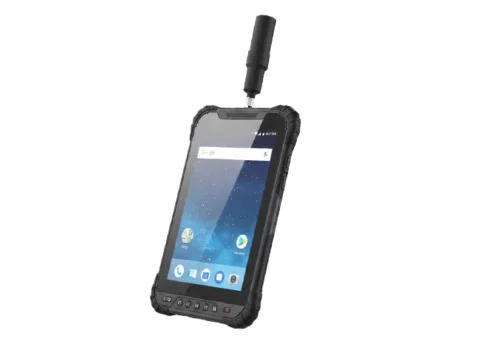
How: GIS handhelds capture with structured fields and independent GNSS (offline capable); management software enforces templates, permissions, and archiving standards so multi-team operations stay aligned.
Deliverables: Unified-criteria lists / archivable record packages
Recommended kit 1 | Standardized collaboration kit
GIS handheld (template-based capture) + management software (templates/permissions/archive)
Pain point 2 (More efficient) | Asset registries aren't trustworthy: locating the right asset wastes time
Inaccurate positions, mismatched IDs, and missing photos turn maintenance into 'asset hunting' before work even starts.
Workflow 2 | Inventory and accurate registry building (Measure + Inspect)
What: Inventory and build a usable registry with position + attributes + evidence
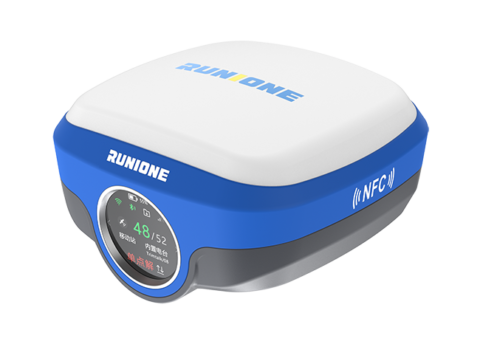
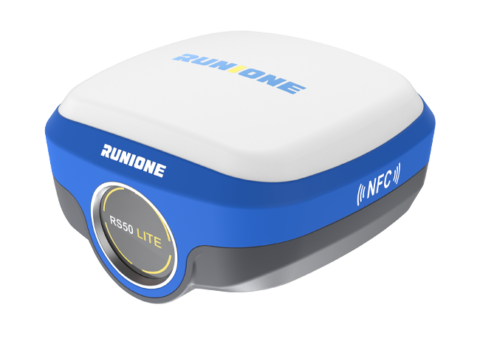
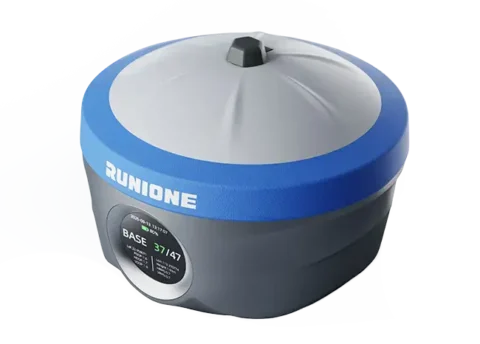
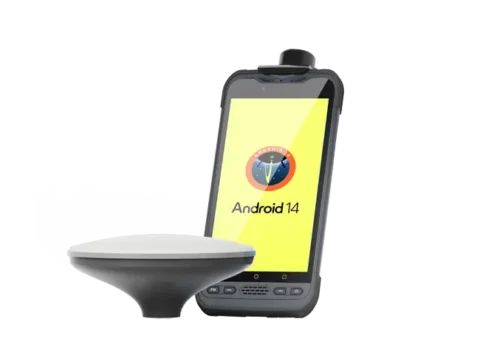
How: GIS handhelds handle the majority of inventory efficiently (centimeter-level is often sufficient). RTK is used for benchmarks, critical assets, and re-checks when the highest precision is required; on-unit screens reduce dependency on controllers for basic setup.
Deliverables: Asset registry (position + attributes + evidence) / exportable lists
Recommended kit 2 | Inventory efficiency kit
GIS handheld (centimeter-level positioning + structured attributes/evidence) + management software (registry/export) + RTK (benchmarks/critical assets; quick start via on-unit screen)
Pain point 3 (More controllable) | Fixes don't update records: KPIs and audits fail due to drifting data
If closure doesn't trigger registry updates, data criteria drift. KPI reporting becomes manual and audits can't be satisfied.
Workflow 3 | Closure + registry update + KPI reporting (Manage)
What: Convert incidents to work orders, verify closure, update registry, and generate periodic KPI reports
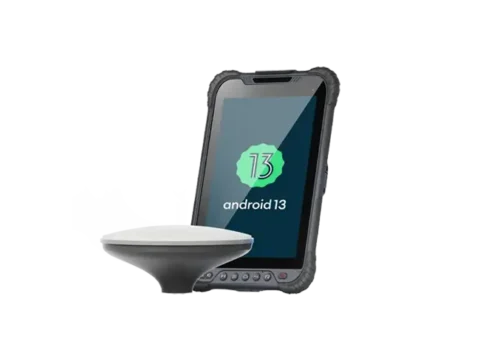
How: Management software makes updates mandatory and traceable; GIS handhelds capture closure evidence with location offline; portable Windows devices support on-site review and KPI report output; RTK supports re-checks when necessary.
Deliverables: Updated registry package (traceable) / KPI reports / audit archive materials
Recommended kit 3 | Registry update & KPI kit
Management software (update + stats + archive) + portable Windows tablet/laptop (field output) + GIS handheld (closure evidence) + RTK (re-checks when required)